




07 Jul The impressive graphics performance of Death Stranding 2 reignites the debate about graphics engines.
Since its release on June 26th, Death Stranding 2: On the Beach on PlayStation 5 has distinguished itself through its smooth gameplay and high-quality graphics, establishing the DECIMA graphics engine as one of the title’s key technical strengths. Developed by Guerrilla Games and adapted by Kojima Productions, DECIMA has impressively demonstrated its potential with realistic environments, dynamic lighting, and stable performance in open-world gameplay.
This recognition sparked an intense debate on social media, with users comparing DECIMA to the widely used Unreal Engine 5 (UE5) and claiming that DECIMA was significantly superior to UE5. However, industry experts cautioned that such comparisons oversimplify the complex work behind every game, which includes lighting, animation, and technical adjustments.

DECIMA is a custom-developed engine specifically tailored to the PlayStation 5 hardware and the needs of Kojima Productions. Unreal Engine 5, on the other hand, is known for its versatility and widespread use in studios large and small, but is sometimes criticized for optimization issues, particularly with ambitious open-world projects.
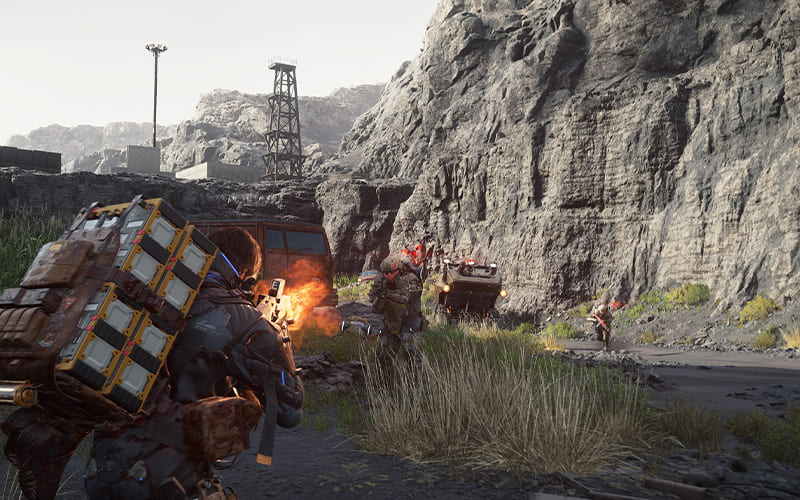
The difference lies in the fact that internal engines like DECIMA allow for in-depth customization but require more resources and specialized personnel, whereas UE5 offers flexibility, albeit at the cost of technical challenges for some developers.

The graphical brilliance of Death Stranding 2 is ultimately the result of a combination of cutting-edge technology, close collaboration, and human talent that goes far beyond the simple engine used.
Sorry, the comment form is closed at this time.