



21 Ago Esports: Who is the Valorant World Champion?
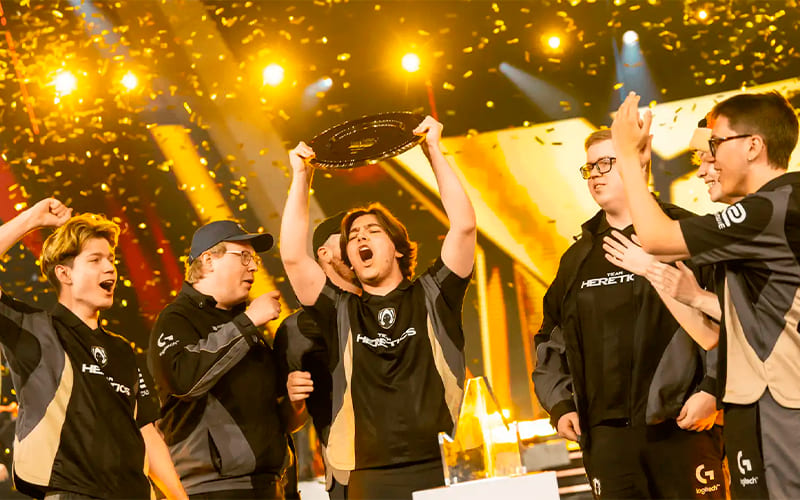
Leviatán, the Argentine team, were crowned champions of Valorant Masters London 2026 after beating Paper Rex 3–2 in the grand final, becoming the first team from the region to lift an international trophy in the discipline. To claim the title, Leviatán had to navigate a demanding bracket, overcoming opponents from Asia, Europe, China and the Americas before finishing their run with a final watched by more than 1.06 million concurrent viewers.
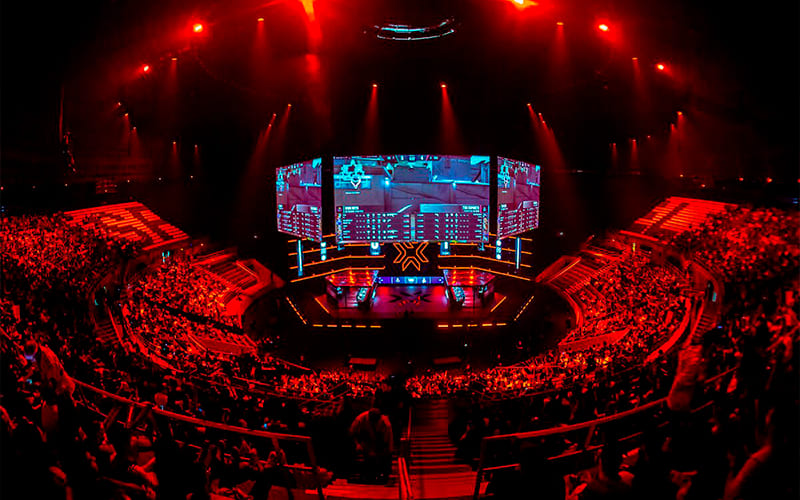
The victory came on one of the biggest stages in Riot Games’ competitive circuit. The tournament was held in the English capital, bringing together 12 teams from the world’s leading regions and offering a total prize pool of US$1 million. The title comes amid sustained growth in the gaming industry. According to Newzoo, the global video game market generated US$201.6 billion in revenue in 2025, highlighting gaming’s growing economic and cultural influence compared with other forms of entertainment.
The showdown against Paper Rex had all the ingredients of a major final. Leviatán had lost 2–0 to the same opponent at the start of the playoffs, forcing them to fight their way through the lower bracket, where every series could have meant elimination. From there, the team mounted a comeback that ultimately ended with the trophy. They first overcame Team Heretics, then eliminated Xi Lai Gaming, defeated Team Vitality and beat EDward Gaming 3–0 to earn a rematch against Paper Rex.
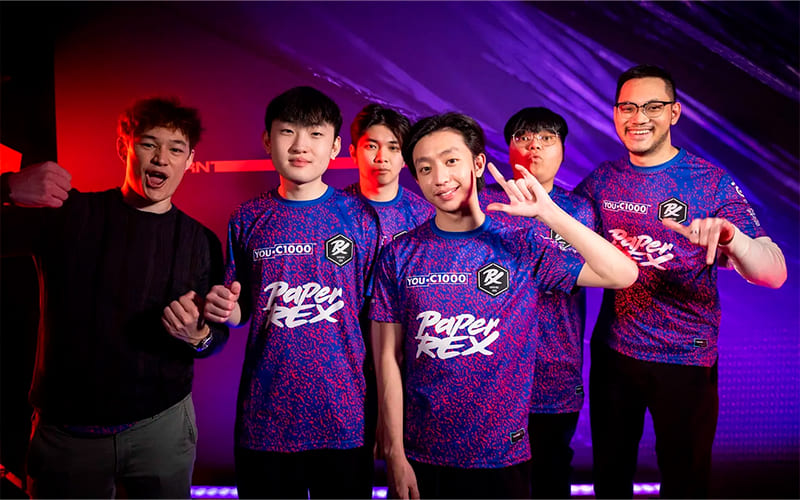
The final went the distance across five maps. Paper Rex took the lead with a win on Fracture, Leviatán responded on Split, the Pacific team regained the advantage on Breeze, and the Latin American side levelled the series on Ascent. The championship was decided on Lotus, where Leviatán closed out the map 13–5, sparking celebrations across the region. The championship roster combined experience with fresh talent. The individual award went to Bruno “Neon” Rodríguez, one of the tournament’s standout performers. The Argentine was named MVP of the competition, establishing himself as one of the strongest new talents on the international scene.
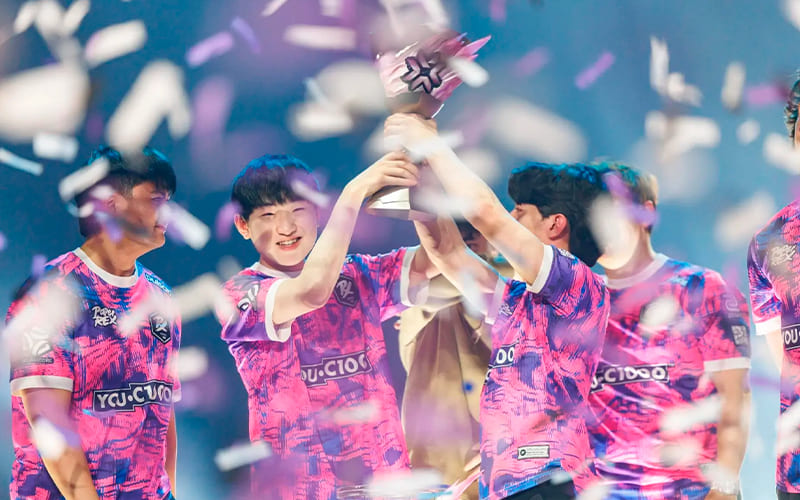
Meanwhile, Francisco “kiNgg” Aravena, the team’s captain, represents the continuity of the project. He has been associated with Leviatán for years and has been one of the key figures in the organisation’s competitive growth. Alongside him, young players such as “Neon” have represented the rise of a new generation. The final was experienced as a major regional event. In cities across Latin America, fans gathered at live viewing events, meet-ups and community gatherings to follow the series like a traditional sporting final.
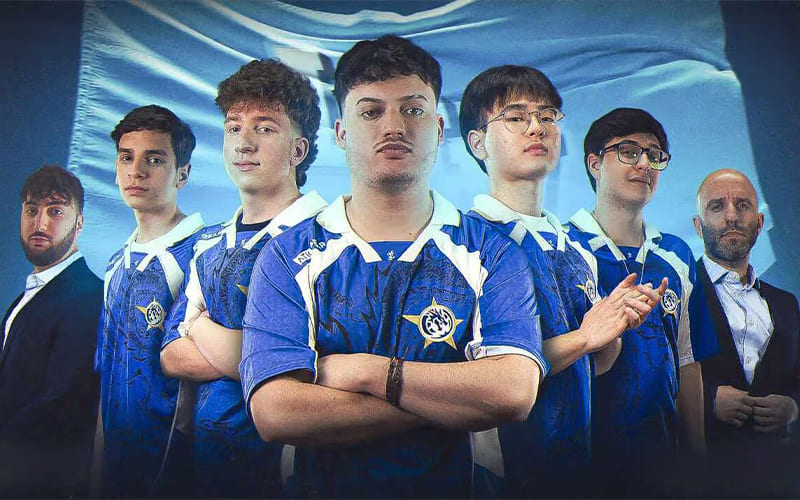
The phenomenon also highlights another defining feature of modern esports: clubs are no longer supported solely because of the video game they compete in. They also build a sense of belonging, narratives, icons and direct relationships with young audiences who consume entertainment on Twitch, YouTube, social media and streaming platforms. For Leviatán, the London title represents much more than a trophy. It confirms that a Latin American organisation can compete on equal terms with the world’s leading powers and win on the most demanding stage. The challenge now will be maintaining that position. Following their triumph, Leviatán have established themselves as one of the most important esports organisations in the region and a globally recognised name within VALORANT.
Sorry, the comment form is closed at this time.